
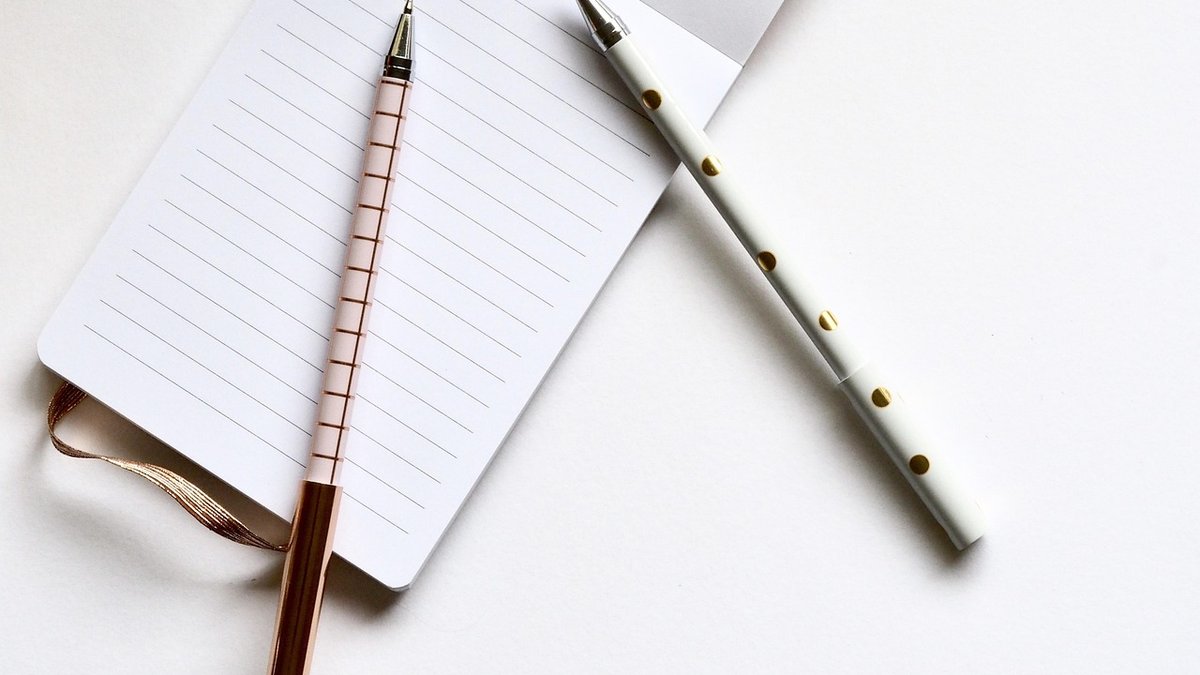
Morning pages are three sides of A4 — or three pages in whatever notebook you keep by the bed — written longhand, first thing, before you have properly woken up. They are not a diary. They are not a plan. They are not for anyone else, and they are not even really for you in the finished sense. They are a drain: a way of tipping the loose, repetitive, half-formed thoughts out of your head and onto paper so that something else has room to arrive.
If you have ever spent a whole morning circling the same three worries while telling yourself you are being productive, you already understand the problem. Most creative blocks are not a shortage of ideas. They are a queue of unprocessed ones, all talking at once.
Later in the day, your internal editor is awake and in employment. It has opinions about your sentence structure. Before breakfast, it is still in bed, and that is the entire trick.
There is a practical reason too. The first hour of the day generally gets claimed by other people — inboxes, news, requests. Claiming it for yourself, even for fifteen minutes, sets a tone. You have made something before you have consumed anything.
And three pages, rather than one, is deliberate. Page one is usually admin: shopping lists, mild resentments, the dream you half remember. Page two gets repetitive and slightly boring, and most people quit here. Page three is where the interesting sentence tends to turn up unannounced, usually somewhere near the bottom.
Friction is the enemy of a morning habit. Every decision you make at 6.45am is a decision that can derail you, so make them all the night before.
The method only works if you resist tidying it up. Four rules cover almost everything:
Start with one page and add a side each week. The habit matters far more than the volume, and a fortnight of one page beats three heroic days of three.
If prose dries up altogether, switch to a list. Ten things you are avoiding. Five ideas you dismissed too quickly. Everything currently on your desk. Lists loosen the same knot from a different angle, and they are easier to start when you are tired.
Write about whatever you are resisting. If you notice yourself skipping over a topic, that is precisely the page you needed to write. The resistance is the signpost.
Give it a month. You will not love every page — most of them will be dull, grumpy and repetitive, and that is exactly the point. The clutter has to go somewhere, and paper is a far better place for it than the back of your mind, where it has been quietly taking up all the room your ideas needed.

Hi, my name is Anthony kuber. I am artist and fashion designer.
I love to travel and writing blogging.
Your email address will not be published. Required fields are marked *
Software Developer & Writer
Hey, I'm Diva, a developer and writer blending code and creativity. I'm driven by a deep curiosity and a relentless pursuit of excellence. Join me as I craft digital solutions and captivating stories.


